-
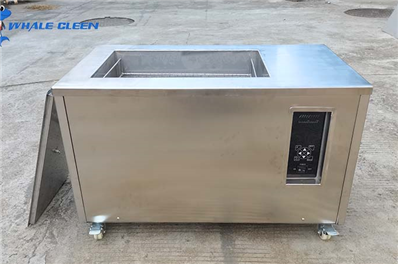 What are the advantages of the ultrasonic cleaning machine itself? One of the transducer's good or bad distinctions!
The cleaning effect is far beyond the ordinary cleaning method The application of an industrial ultrasonic cleaning machine to stop the cleaning is now known as a highly efficient and effective cleaning method, its cleaning efficiency and cleaning
-
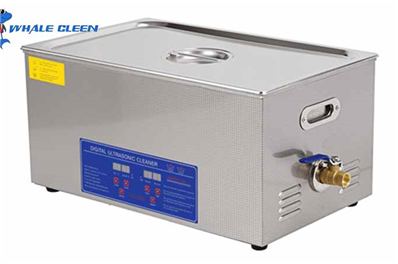 What cleaning agents are generally used in ultrasonic washing machines
The ultrasonic cleaning machine itself has the role of oil decontamination, why do you need a cleaning agent? The principle of the ultrasonic wave is through the cavitation of objects to show that vibration to remove dust, can not decompose oil, so also n
-
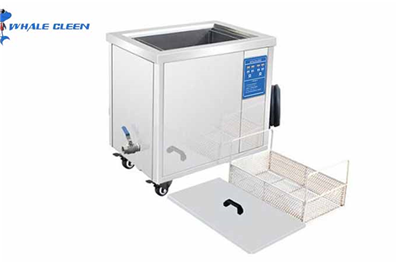 The function of heating in the ultrasonic cleaning machine
After a period of work, the heat generated by the ultrasonic cleaning machine itself can heat the cleaning liquid to a certain temperature. So why is the ultrasonic cleaning machine still need the heating function? The reason is simple. Although the ultra
-
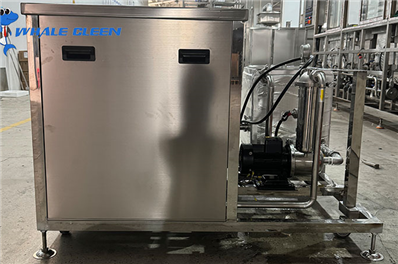 Optimal Frequency for Using Ultrasonic Cleaning Machines: A Comprehensive Guide
As a seasoned website content operator, delving into the topic of how often ultrasonic cleaning machines should be used demands a comprehensive approach. Let's dissect this topic into several key points to provide a thorough understanding for our read
-
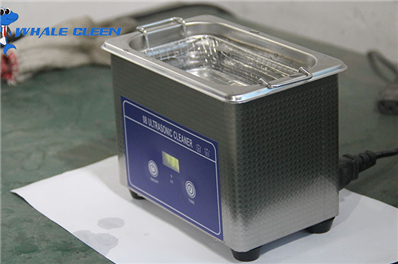 Maximizing Ultrasonic Cleaning Machine Lifespan: A Comprehensive Perspective
In the industrial landscape, the longevity of ultrasonic cleaning machines is a crucial consideration for businesses aiming to maintain operational efficiency and minimize equipment replacement costs. The lifespan of an ultrasonic cleaning machine depends
-
 Stuck with Grinding Dust Embedded in Batch Workpiece Crevices? Manual Cleaning Is Draining Your Labor Budget and Driving Production Costs Through the Roof
Walk into any metalworking shop, stamping plant, or machining facility, and you will see the same scene repeated shift after shift: workers hunched over parts bins, scrubbing with brushes, picking at crevices with picks, blowing compressed air into blind
-
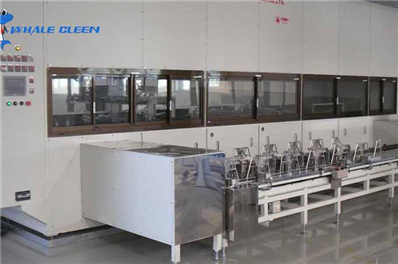 Same Ultrasonic Cleaning, Why Are Some Aerospace Fastener Yield Rates So Much Higher?
In aerospace manufacturing, few quality metrics are as unforgiving as fastener cleanliness. A single micro-fastener — a titanium alloy bolt, a high-strength steel screw, a threaded insert — can carry cutting fluids, lapping compounds, or microscopic metal
-
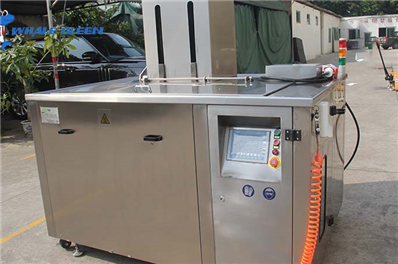 How Ultrasonic Cleaning Reaches the Thread Roots of Micro-Fasteners for Deep Chip and Oil Removal
In precision manufacturing, few challenges are as persistent—or as costly—as cleaning micro-fasteners. Screws, bolts, and threaded inserts with diameters under M2 feature intricate geometries: narrow thread valleys, blind holes, and sharp internal corners
-
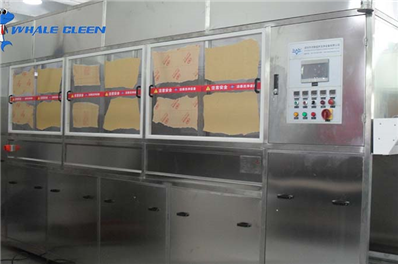 Ultrasonic Cleaning Machine: Solving the Batch Cleanliness Inconsistency Crisis in Aerospace Fastener Manufacturing
In aerospace manufacturing, a single contaminated fastener can compromise an entire assembly. Threaded surfaces trap machining oils, metal chips, and microscopic particulates that, if not completely removed, directly affect torque values, joint integrity,
-
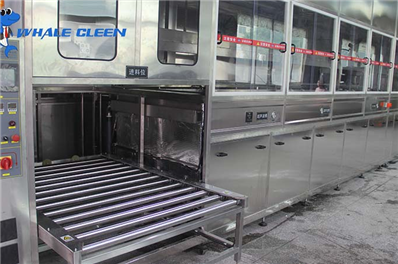 Can One Ultrasonic Cleaning Machine Really Solve Water Stain and Oxidation Problems on Die-Cast Parts?
Walk into any die-casting facility, and you will hear the same frustration from quality control inspectors and production managers alike. Aluminum die-cast parts emerge from the cleaning line looking perfectly clean—only to reveal white spots, cloudy patc
-
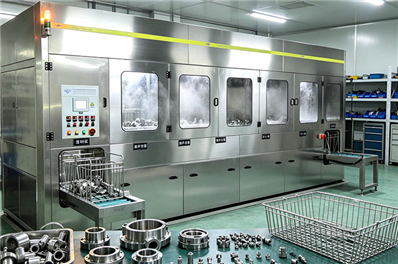 Industrial Ultrasonic Cleaning Machine: The Complete Solution for Manufacturing Precision Parts
In modern manufacturing, surface cleanliness is not merely an aesthetic consideration—it is a critical factor that directly impacts product performance, coating adhesion, and overall production yield. From automotive engine components and transmission par
-
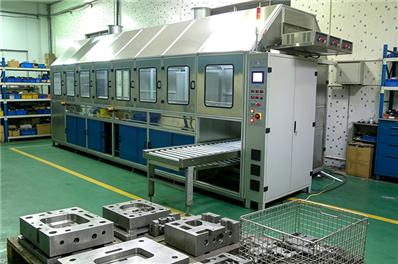 No Harsh Chemicals? How to Achieve Micron-Level Cleanliness for Nickel-Plated Substrates
You've dialed in the nickel plating bath chemistry. The temperature is right, the current density is optimized, and the dwell time is precisely controlled. Yet the plating still blisters. The cross-hatch test fails. The adhesion just isn't there.T